Chào mừng đến với trang web Tranh tô màu – Shutterphoto.net của chúng tôi.
Kể từ khi được thành lập vào đầu năm 2008, Shutter Photo đã trở thành một nguồn tài nguyên hình ảnh cho giáo dục nhiếp ảnh, trí tuệ và – quan trọng nhất là – nguồn cảm hứng. Đây là một trang web phục vụ cho những người có sở thích, những người đam mê và các nhiếp ảnh gia bán chuyên nghiệp với mọi trình độ kỹ năng và tất cả các loại thiết bị. Chúng tôi cố gắng giáo dục thông qua những sai lầm của chính mình và học hỏi từ những chiến thắng và kinh nghiệm của bạn. Sự tương tác và đóng góp của người đọc được khuyến khích và thèm muốn. Sau tất cả, chúng tôi ở đây vì bạn, nhưng bạn cũng là nền tảng của chúng tôi.
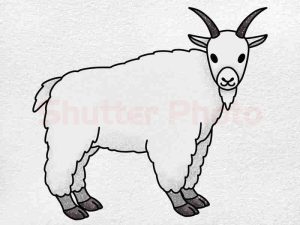
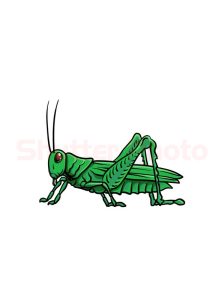
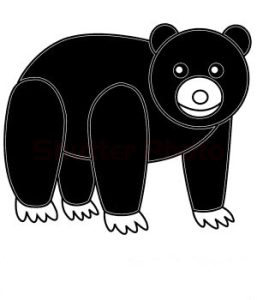
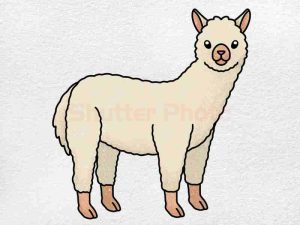
Hiện nay Shutterphoto là nơi mà bạn có thể tìm thấy rất nhiều hình ảnh tranh tô màu độc đáo, dễ thương và phức tạp cho trẻ em ở mọi lứa tuổi cũng như nhiều hình ảnh tuyệt vời được thiết kế với tâm trí của người lớn